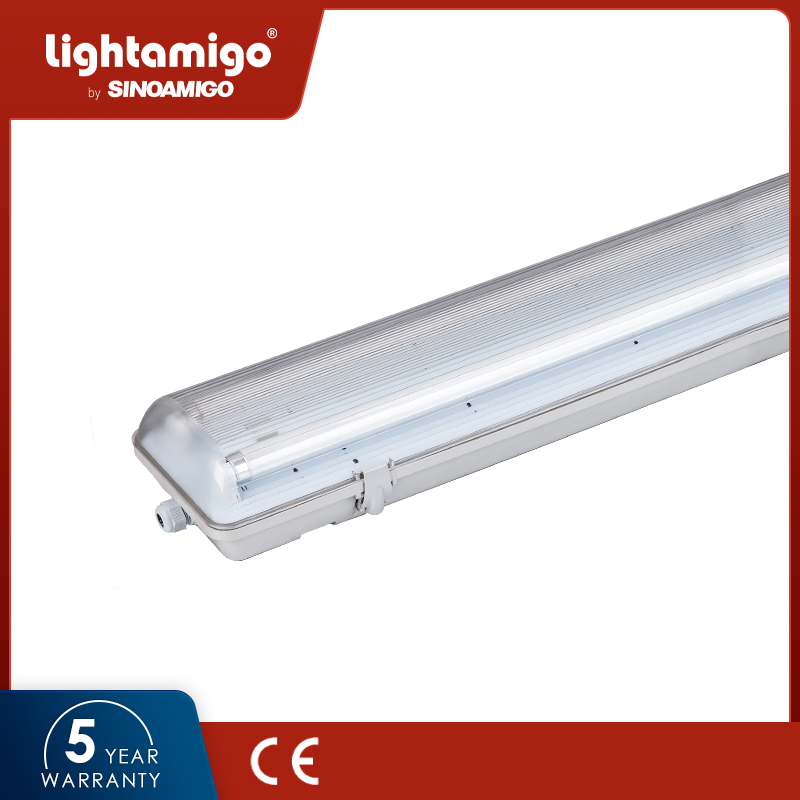



Advantages & Characteristics
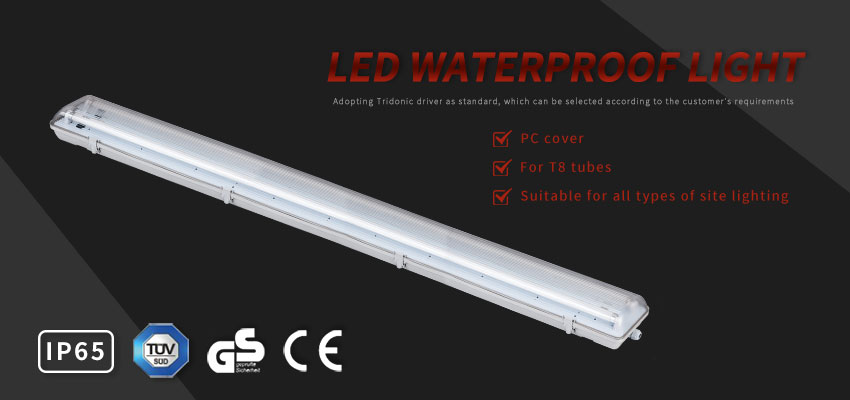
Triple-proof lights, also known as IP-rated luminaires or vandal-resistant lights, are engineered for demanding environments where standard lighting would fail. The term"triple-proof"typically refers to resistance against Dust (Solid particles), Water (Liquids), and Impacts.
Key Advantages:
1. Exceptional Durability and Long Life: Built with robust materials like polycarbonate or die-cast aluminum, they withstand physical abuse, corrosion, and constant use, significantly outperforming and outlasting standard fixtures. They often integrate long-life LEDs, reducing maintenance and replacement costs.
2. High Reliability in Harsh Conditions: Their sealed design ensures consistent performance in environments exposed to moisture, dust, chemicals, and extreme temperatures. This prevents failures and ensures safety in critical areas.
3. Enhanced Safety: The ingress protection prevents water or dust from entering the electrical components, drastically reducing the risk of short circuits, electrical fires, and electrocution. This makes them essential for safety-conscious settings.
4. Low Maintenance and High Efficiency: The combination of a long-lasting LED light source and a rugged, sealed housing means these fixtures require very little maintenance. They are designed for"install and forget"operation, saving on labor and downtime.
5. Superior Sealing (IP Rating): They boast a high Ingress Protection (IP) rating (commonly IP65, IP66, or IP67), which is a guarantee of their effectiveness against solids and liquids.
2. High Reliability in Harsh Conditions: Their sealed design ensures consistent performance in environments exposed to moisture, dust, chemicals, and extreme temperatures. This prevents failures and ensures safety in critical areas.
3. Enhanced Safety: The ingress protection prevents water or dust from entering the electrical components, drastically reducing the risk of short circuits, electrical fires, and electrocution. This makes them essential for safety-conscious settings.
4. Low Maintenance and High Efficiency: The combination of a long-lasting LED light source and a rugged, sealed housing means these fixtures require very little maintenance. They are designed for"install and forget"operation, saving on labor and downtime.
5. Superior Sealing (IP Rating): They boast a high Ingress Protection (IP) rating (commonly IP65, IP66, or IP67), which is a guarantee of their effectiveness against solids and liquids.
Key Characteristics:
1. High IP Rating: This is the defining feature.
· IP65: Dust-tight and protected against low-pressure water jets from any direction.
· IP66: Dust-tight and protected against powerful water jets.
· IP67: Dust-tight and protected against temporary immersion in water (up to 1m for 30 minutes).
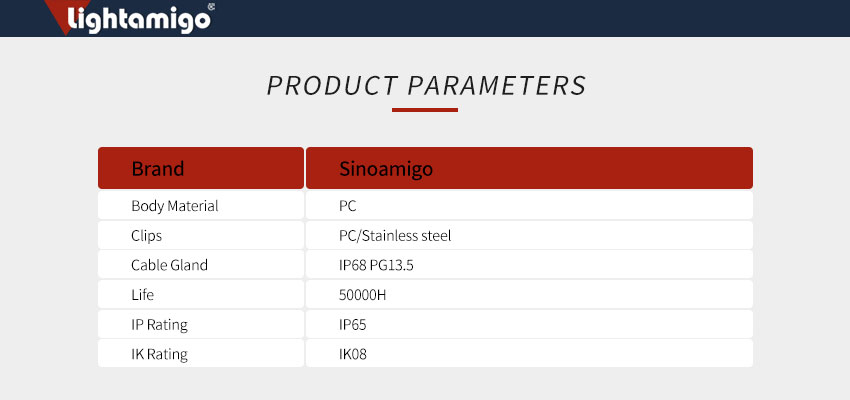
2. Impact Resistance (IK Rating): They feature a high IK rating (e.g., IK08, IK10) that certifies their resistance to physical impacts and vandalism. The housing and lens are made from tough, shatter-proof materials.
3. Robust Construction Materials: Commonly constructed from:
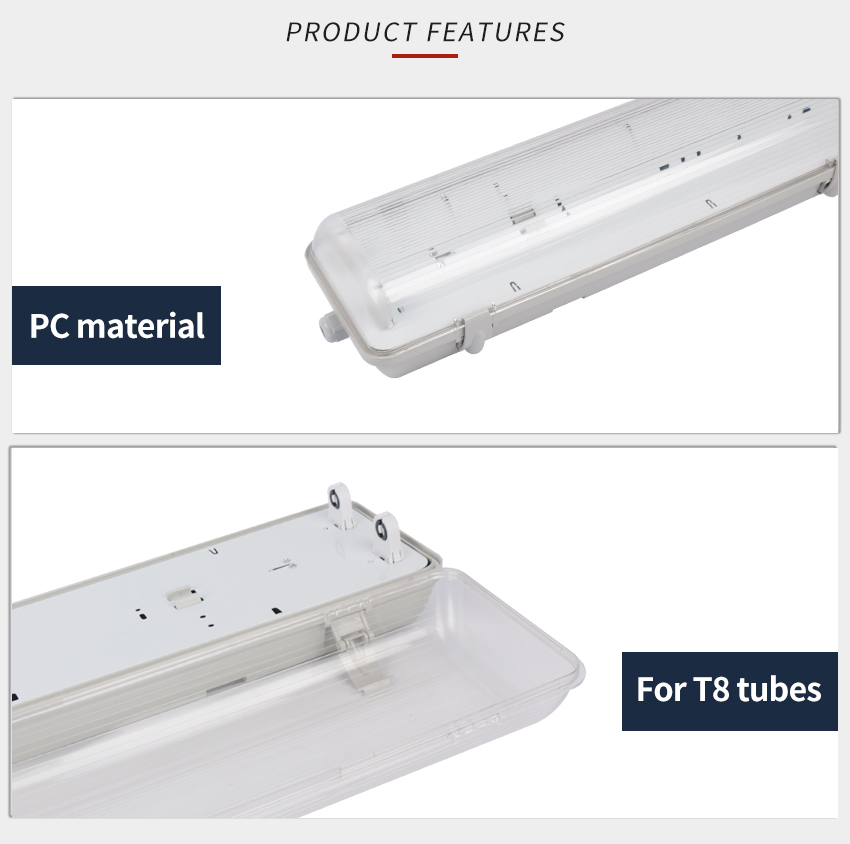
· Polycarbonate (PC): Offers excellent impact resistance and is lightweight.
· Die-Cast Aluminum: Provides superior heat dissipation, corrosion resistance, and strength.
· Stainless Steel: Used for brackets and screws for anti-corrosion properties.
4. Advanced Thermal Management: Efficient heat sink designs, often integrated into the housing, effectively dissipate heat away from the LED chips. This is critical for maintaining LED performance, efficiency, and lifespan.
5. Corrosion and Chemical Resistance: The materials and surface treatments (e.g., powder coating) make them resistant to rust, corrosion, and degradation from chemicals, oils, and solvents.
6. High-Efficiency LED Light Source: Modern triple-proof lights use LEDs, known for their high lumen output, excellent color rendering index (CRI), and energy efficiency, providing bright, clear light while lowering energy consumption.
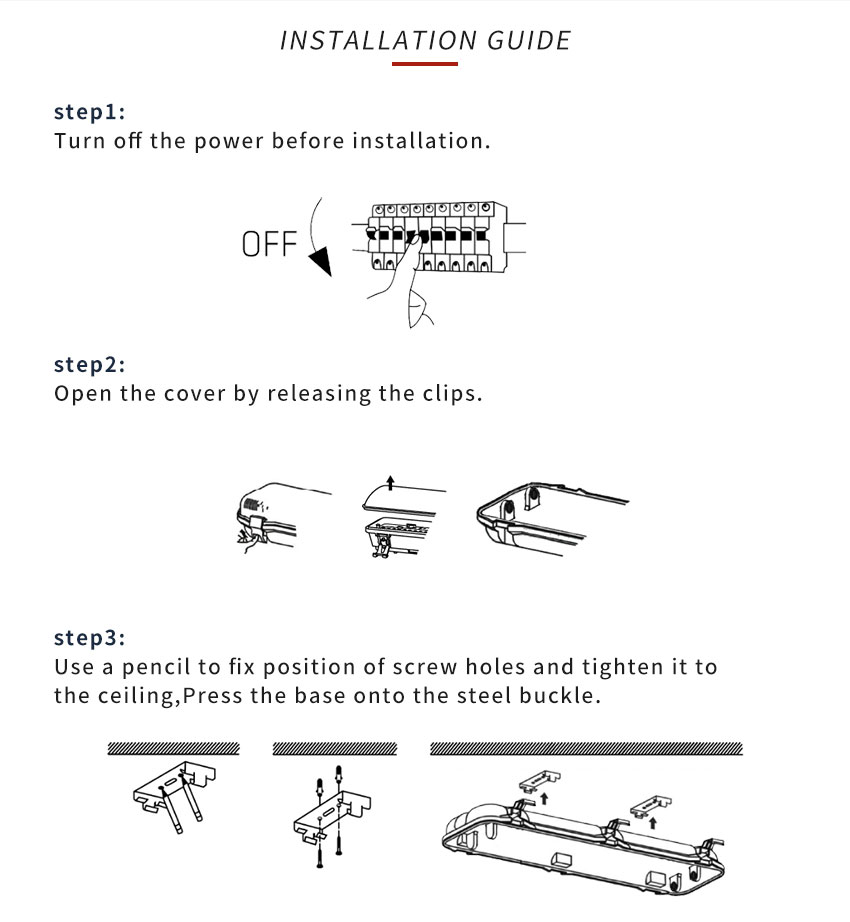
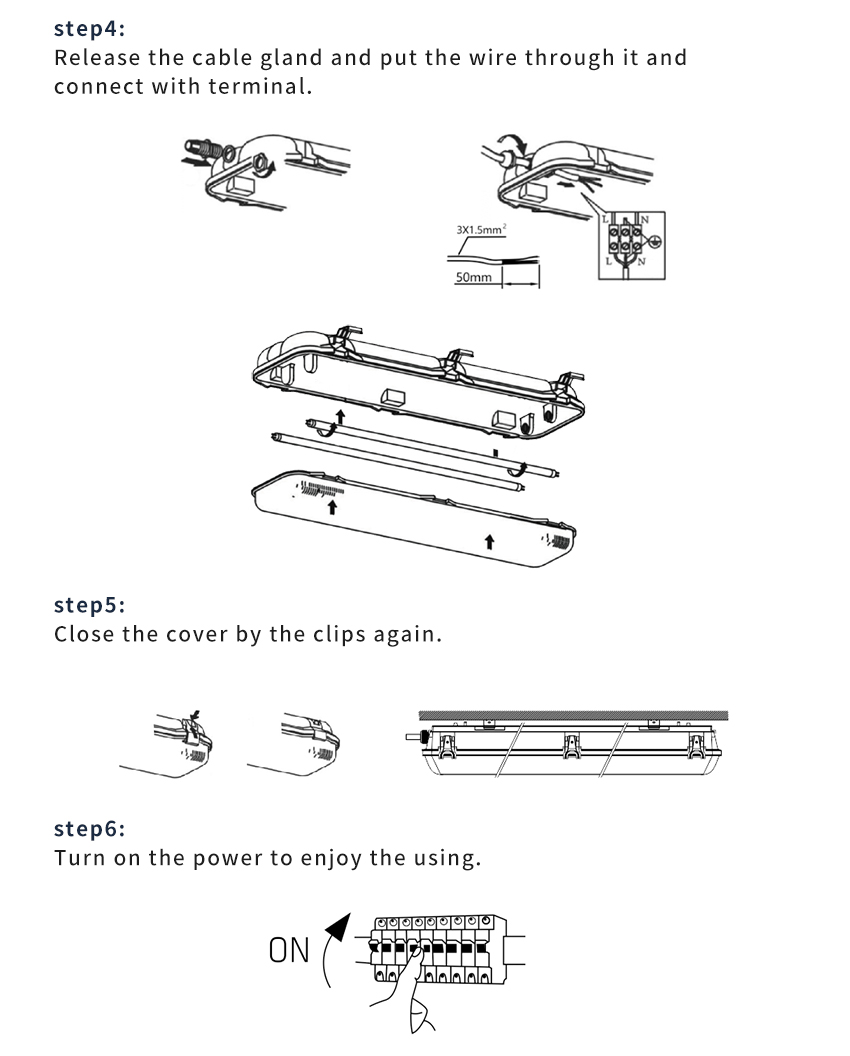
7. Easy Installation and Maintenance: Designed for practicality, they often feature a screwless design for tool-free opening, hinges for easy access, and various mounting options (surface, pendant, pole).
· IP65: Dust-tight and protected against low-pressure water jets from any direction.
· IP66: Dust-tight and protected against powerful water jets.
· IP67: Dust-tight and protected against temporary immersion in water (up to 1m for 30 minutes).
2. Impact Resistance (IK Rating): They feature a high IK rating (e.g., IK08, IK10) that certifies their resistance to physical impacts and vandalism. The housing and lens are made from tough, shatter-proof materials.
3. Robust Construction Materials: Commonly constructed from:
· Polycarbonate (PC): Offers excellent impact resistance and is lightweight.
· Die-Cast Aluminum: Provides superior heat dissipation, corrosion resistance, and strength.
· Stainless Steel: Used for brackets and screws for anti-corrosion properties.
4. Advanced Thermal Management: Efficient heat sink designs, often integrated into the housing, effectively dissipate heat away from the LED chips. This is critical for maintaining LED performance, efficiency, and lifespan.
5. Corrosion and Chemical Resistance: The materials and surface treatments (e.g., powder coating) make them resistant to rust, corrosion, and degradation from chemicals, oils, and solvents.
6. High-Efficiency LED Light Source: Modern triple-proof lights use LEDs, known for their high lumen output, excellent color rendering index (CRI), and energy efficiency, providing bright, clear light while lowering energy consumption.
7. Easy Installation and Maintenance: Designed for practicality, they often feature a screwless design for tool-free opening, hinges for easy access, and various mounting options (surface, pendant, pole).
Common Applications:
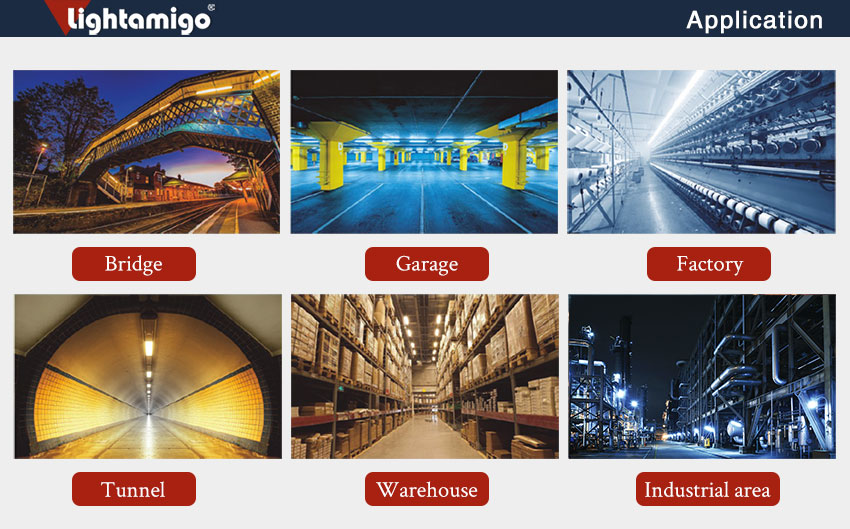
· Industrial warehouses and manufacturing plants
· Food processing and pharmaceutical facilities
· Parking garages and tunnels
· Agricultural buildings and livestock barns
· Shipping ports and logistics centers
· Public areas and transportation hubs (for vandal resistance)
· Food processing and pharmaceutical facilities
· Parking garages and tunnels
· Agricultural buildings and livestock barns
· Shipping ports and logistics centers
· Public areas and transportation hubs (for vandal resistance)
Product parameters:
| Model | Voltage | Dimension | Power | Holder | Number of LED |
| SW08118 | 100-240V | 670x102x108 | 1x18W T8 | G13 | 1 Tube |
| SW08218 | 100-240V | 670x162x108 | 2x18W T8 | G13 | 2 Tube |
| SW08136 | 100-240V | 1270x102x108 | 1x36W T8 | G13 | 1 Tube |
| SW08236 | 100-240V | 1270x162x108 | 2x36W T8 | G13 | 2 Tube |
| SW08158 | 100-240V | 1570x102x108 | 1x58W T8 | G13 | 1 Tube |
| SW08258 | 100-240V | 1570x102x108 | 2x58W T8 | G13 | 2 Tube |
Send Message
Related Products


Model NO. SW-K-C2


Related search: luminaire lighting ip65 ,
ip65 waterproof ,
waterproof ip65 ,
luminaire luminaire ,
waterproof fluorescent luminaire ,
Vapor tight fixture